
“Black and white thinking can manifest in various aspects of life, from relationships and work to self-perception. Consider the following examples: Relationships: If my partner disagrees with me, they must not love me. Work: If I make a mistake on this project, I’m a complete failure. Self-perception: If I’m not perfect, I’m worthless!
“These examples demonstrate how black-and-white thinking oversimplifies complex situations, leading to distress and impaired problem-solving abilities.”
Serenity Counselling (BC CANADA)
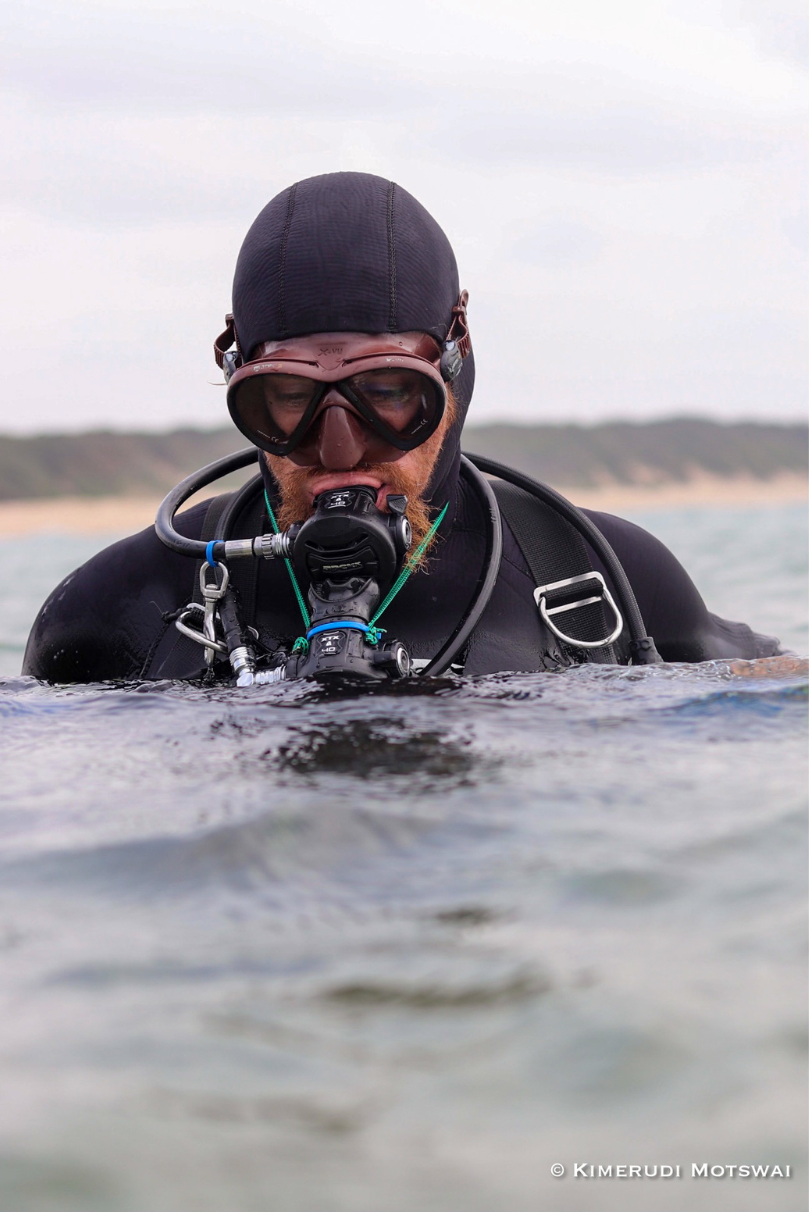
Greyscale thinking—also called nuanced or systems-based thinking—is the ability to recognize that life decisions in the 21st century do not lie between two stark extremes, with Right at one end and Wrong at the other. It’s rarely that simple. Greyscale thinking replaces rigid “all-or-nothing” or “black-and-white” labels (like “perfect” or “failure”) with a balanced view that embraces complexity and makes room for a middle ground. And a middle ground is where life happens.
It is also where thoroughly appropriate dive planning happens and, more often, where optimal results come from.
Greyscale thinking is the cognitive practice of moving away from binary, “black-and-white” extremes to identify the spectrum of possibilities that exist in between.
In complex environments, particularly in technical fields like advanced scuba or rebreather diving, this approach is more than just some abstract philosophical suggestion; it is a critical safety and operational tool.
Why It Matters
Benefit One: Greyscale thinking leads to accurate risk assessment. And that alone makes it worth the effort. On the other hand, binary thinking creates a false sense of security. For example, thinking a dive is either safe or dangerous is an oversimplification. Greyscale thinking forces us to analyse the degrees of risk involved. Greyscale thinking tells us to identify the role and influence of variables such as environmental conditions, contingency gas needs, team roles and readiness, or equipment performance on the risk profile.
Benefit Two: Greyscale thinking improves decision-making. When a dive plan does more than simply categorizing outcomes as “success” or “failure,” the whole team gains the ability to conduct better post-incident or post-dive debriefings. Performance reviews include a non-judgemental analysis of “near-misses” and subtle procedural deviations from the plan. These become important talking points and learning opportunities. This allows for future ‘course corrections’ catching deviations before they become normalized, bad habits, and cause problems.
Benefit Three: Greyscale Thinking helps to avoid conflict. In both professional and social settings, binary thinking demands that there be winners and losers. A nuanced approach recognizes that most disagreements stem from differing priorities or incomplete information. It shifts the focus from “being right” to “finding the common operational goal.” This is conflict resolution. Diving as a team, at every level not just cave or technical diving, delivers expected results and fewer surprises.
Benefit Four: Greyscale thinking is the only approach that can fluidly adapt to the complexity of real-world systems. Whether they are ecosystems, technical training programs, or political landscapes; these rarely operate on absolutes. Greyscale thinking allows you to hold two opposing facts as true simultaneously (e.g., a specific piece of gear is highly effective in certain contexts but carries specific risks in others), which is essential for mastery in technical disciplines.
Benefit Five: Greyscale Thinking is resilient thinking. Binary thinkers are often brittle; when their rigid expectations about a situation aren’t met, their strategy collapses. Those who think in greyscale are inherently more adaptive because they have already accounted for a range of “in-between” outcomes and are prepared to pivot accordingly.
The Operational Downside of Binary Thinking
The primary danger of binary thinking in high-stakes environments, such as diving, is complacency. When one views a situation as only “safe,” one stops looking for the subtle indicators that margins of safety are eroding… and complacency has crept in.
Greyscale thinking keeps a dive team in a state of active observation, ensuring that the mental ‘working model’ of the environment is constantly updated as new, partial data emerges.
Simply put, a shift toward mental nuance takes practice for those who have been taught that life is an us-and-them scenario. It can be difficult to implement Grey Thinking in technical instructional environments, but the effort pays huge dividends.
This post is an excerpt from a longer piece by Steve Lewis.