
A WORD ABOUT CHECKLISTS FOR CCR CAVE STUDENTS
Although a RAID CCR overhead course is not about learning the basic operations of a rebreather (just how to cavern and cave dive using one), it does give us a chance to remember this. Please adopt this practice in your diving both inside and outside of your training. A closed-circuit rebreather is an ingenious life-support machine, but it is fundamentally a machine—and machines operate with cold indifference to human error and oversight. Relying on memory, habit, or a quick mental scan while standing at the water’s edge is an invitation to systemic failure.
Using a physical checklist is not an administrative burden or an entry-level crutch; it is a core competency of professional-grade risk management.
Why Memory Fails in High-Stress Environments
In technical diving, cognitive bandwidth is finite. When prepping a unit, a diver is often juggling multiple variables: team dynamics, environmental conditions, gear configurations, and thermal stressors (both cold and heat).
- The Illusion of Competence: Familiarity breeds complacency. The more times a diver assembles a unit, the more susceptible they are to missing steps due to working on ‘auto-pilot.’
- Cognitive Interruption: A conversation, a missing tool, or a rushed briefing breaks the mental chain of custody, leaving blind spots that mental checklists routinely gloss over.
- Greyscale Reality: Binary thinking tells us things like, “That unit is either ready to perform properly, or it isn’t.” A physical checklist forces a deliberate, step-by-step interrogation of reality, replacing assumptions with verification.
The Anatomy of an Effective Rebreather Protocol
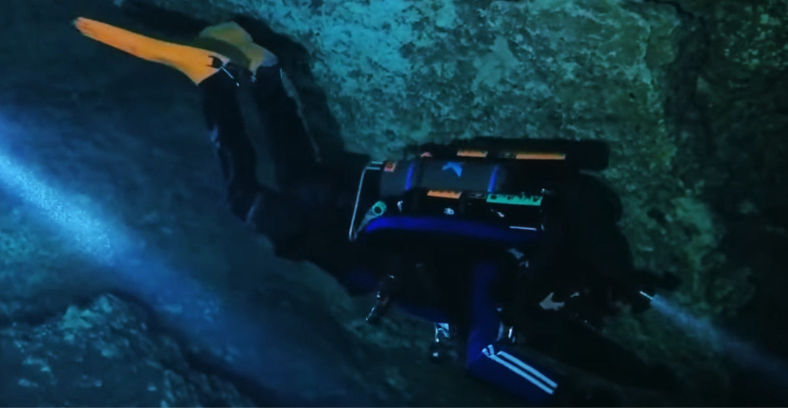
A proper physical checklist—whether a waterproof slate, laminated card, or device-integrated—bridges the gap between theory and execution. It should enforce three distinct operational gates:
- Pre-Assembly / Bench Check: Verifying cell lifespans, scrubbing media integrity, injector functionality, and electronic battery states before anything goes into the unit’s body.
- Pre-Dive / Unit Assembly: Confirming positive/negative pressure checks, diluent and oxygen gas levels and analysis, bailout volumes and content, and HUD/handset calibration.
- Pre-Entry / Water’s Edge: The final teammate cross-check, diluent flush verification, open-circuit bailout validation, and a last-look loop check right before entering the cave zone.
“The difference between a disciplined technical diver and a casual one isn’t talent; it’s the unwavering respect for process when no one is watching.”
How do you personally structure your pre-dive sequence between bench prep and the final water’s edge check?