
WHY LOGGING DIVES IS WORTH THE EFFORT
You will hear divers explain that they no longer bother to log dives. “I gave up doing that after I filled my first logbook,” is typical of the reasons given. At one time, a considerable drawback was the effort required to maintain a traditional logbook with pen and paper. (The olden days, to be sure.) But there’s a powerful argument that keeping track of dives is worth the effort for a whole bunch of reasons. Modern equipment makes it easy too: no more longhand writing required.
Every generation of PDC (personal dive computer) keeps track of the basics – depth, time, date, water temperature, and so on – and most newer units can also keep track of gas consumption rates, and display a nice graphic of the dive profile. (A neat “map” of the dive’s ups and downs, including deco stress and a reminder of how well we controlled our buoyancy!) What’s more, all these data are readily available for us to download to a tablet or laptop at any time. The question is: how many of us take advantage of this convenience? A more telling second question is perhaps: Is there a good reason to do so?
We believe there is.
Those of us who are RAID alumni were asked to use the online logbook to keep track of our training dives. Perhaps, that should read: our instructor was supposed to encourage us to track our training dives… looking at the old database records, it’s apparent that some of us didn’t!
Logging training dives is a critical part of our QA System and vital for HQ to track student progress. As well as confirming that skills were mastered, logging training dives is part of recording a clean audit trail for customer satisfaction. But let’s leave that angle aside right now. Let’s focus on what may be even more critical… and certainly a more personal reason to keep a dive log.
In the beginning, it is helpful to note that when we did a dive in Egypt’s Red Sea, we needed more lead than we used on the freshwater cenote dive we did in Mexico. Also back then, that it seemed our dive buddy breathed once a minute and finished her dive with more gas than the divemaster. However, these details tend to blend into the background and become less and less compelling as experience grows. For most of us, keeping track of this type of detail generates less and less interest as time passes. What grows in interest and importance is how the experience of today’s dive affected us.
When we think outside the box – something of a RAID specialty — the reasons to keep a dive log changes. It doesn’t have to be a list of the mundane; it becomes more of a journal. It is, in essence, an opportunity to take a mental snapshot of what happened at a point in time that’ll never happen again. Even dives on the same site tend to highlight that things are never quite the same. So, a dive log can become a record of that change. A few words (or an essay) to remind us of how we felt then and only then,. These are more likely to be the things that we want to be reminded of a year or a few years in the future. Things change. Coral reefs change. Wrecks change. We change. And we don’t have to be Dr. Sylvia Earle or Jacques-Yves Cousteau for that to matter.
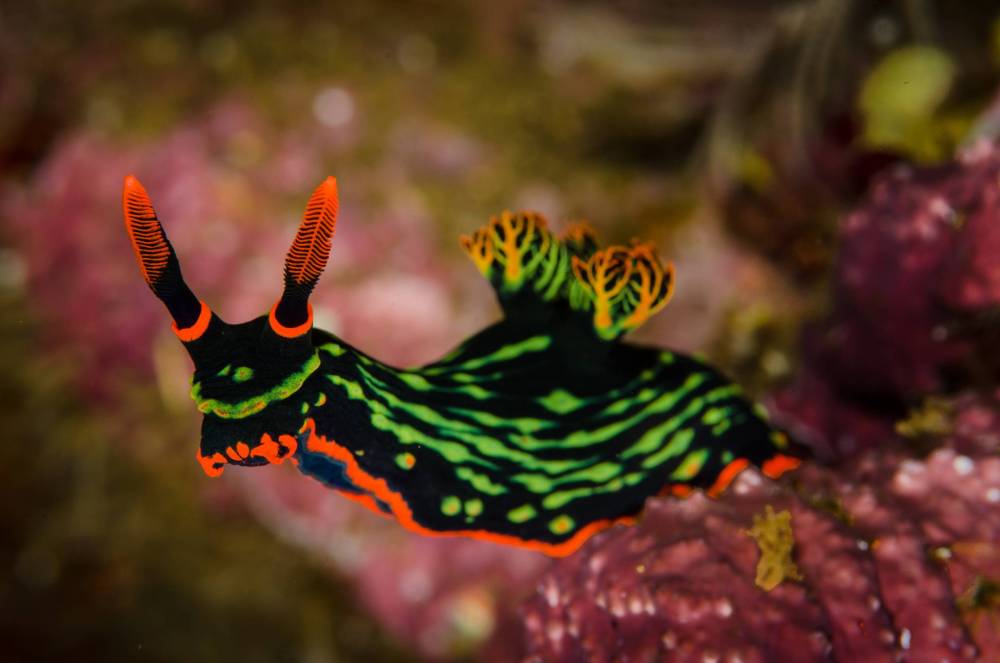
We’re not suggesting our dive logs will end up in The Bibliotheca Alexandrina or trigger a PhD thesis centuries in the future. It just seems that keeping a personal record of how you felt seeing your first thresher shark, or a nudibranch as colourful as a Christmas tree decoration., matters.
A dive log should be a collection of the reasons you dive. And we think that’s worth the effort.